
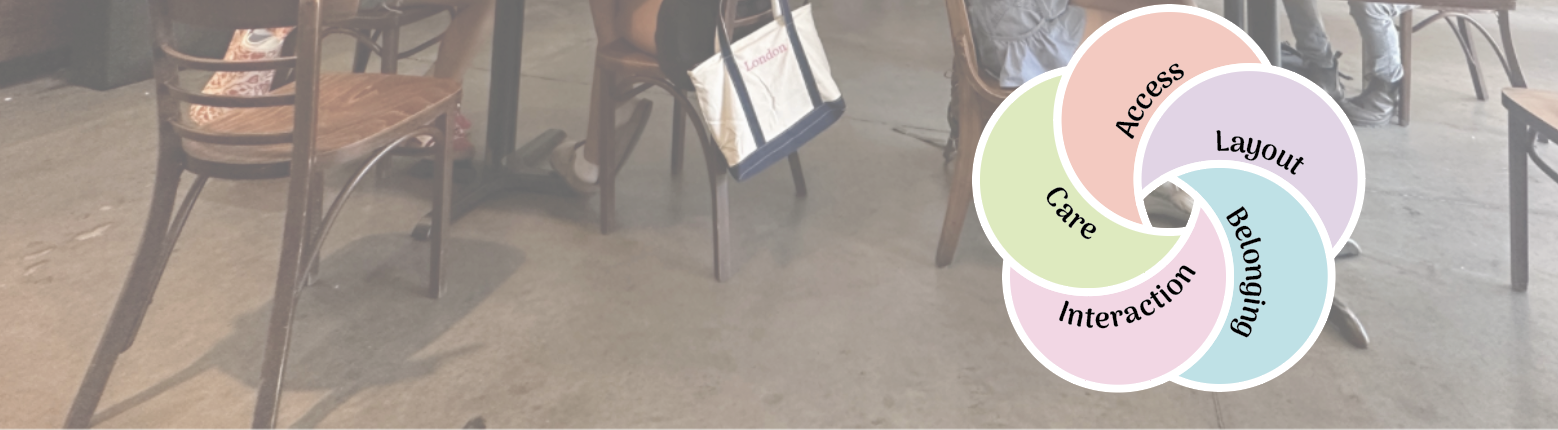
Space as Care: A Healthy Place Framework
What makes a space feel healthy? Not comfortable, not beautiful, but genuinely health-promoting for the people inside it. This project spans two semesters of graduate fieldwork and graphic design, moving from community observation at a coffee shop to a framework and design tools built for healthcare environments.
Overview
Our fieldwork quickly revealed that people's behavior in a space, whether they stayed, felt safe enough to leave their belongings unattended, or talked to strangers, had almost nothing to do with how nice the space looked. It had everything to do with whether they felt like they belonged there. In healthcare, that shift matters even more. Feeling unseen or out of place doesn't just create discomfort. It creates barriers to care.
Project Reframe
Duration: 16 weeks
Collaborators: Vennila Natarajan
Role: Design Research, Visual Design, Service Strategy, 3D Modeling
Tools: Miro, Notion, Adobe Illustrator, Canva, Fusion 360
Foundational Research
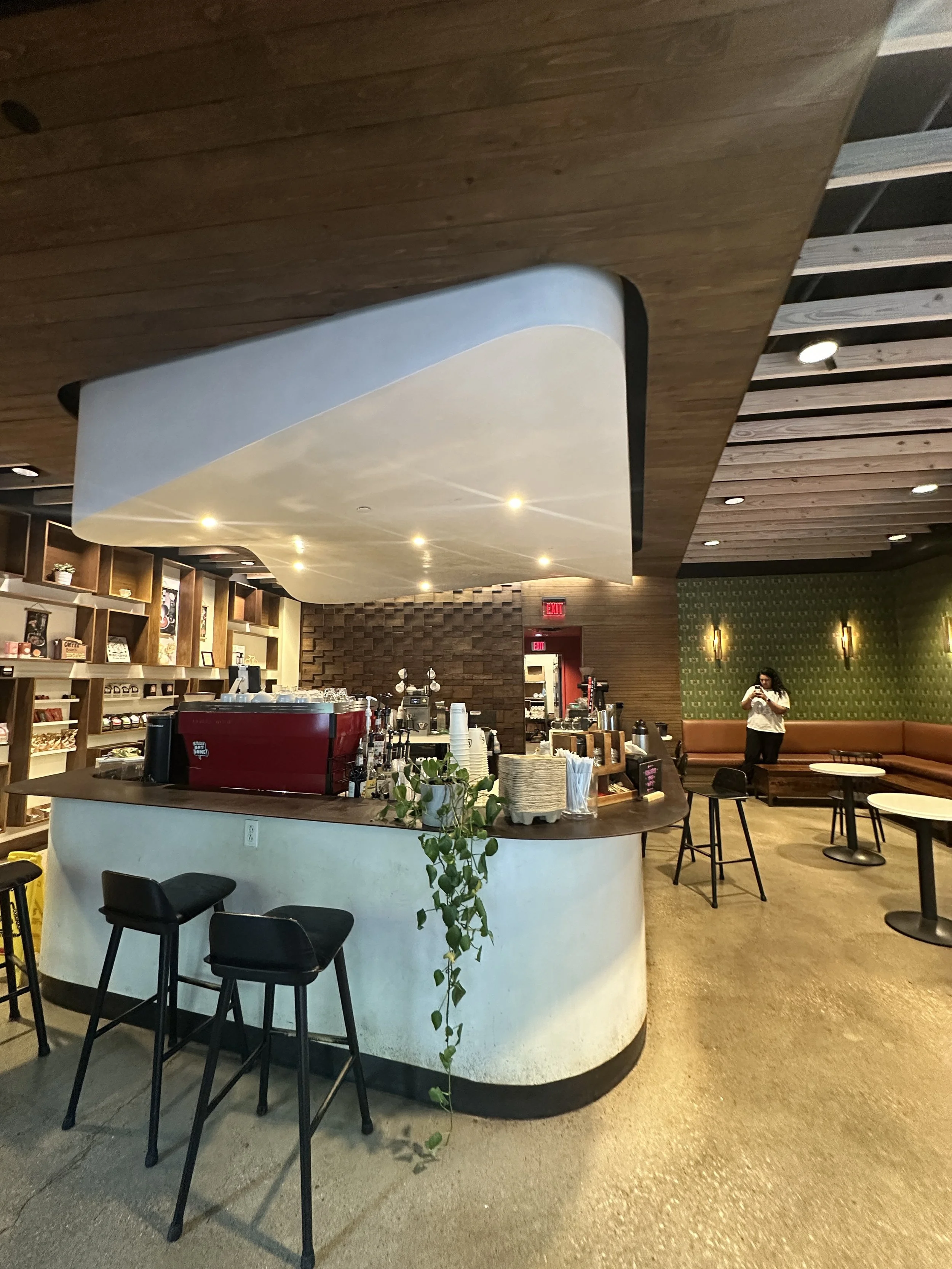
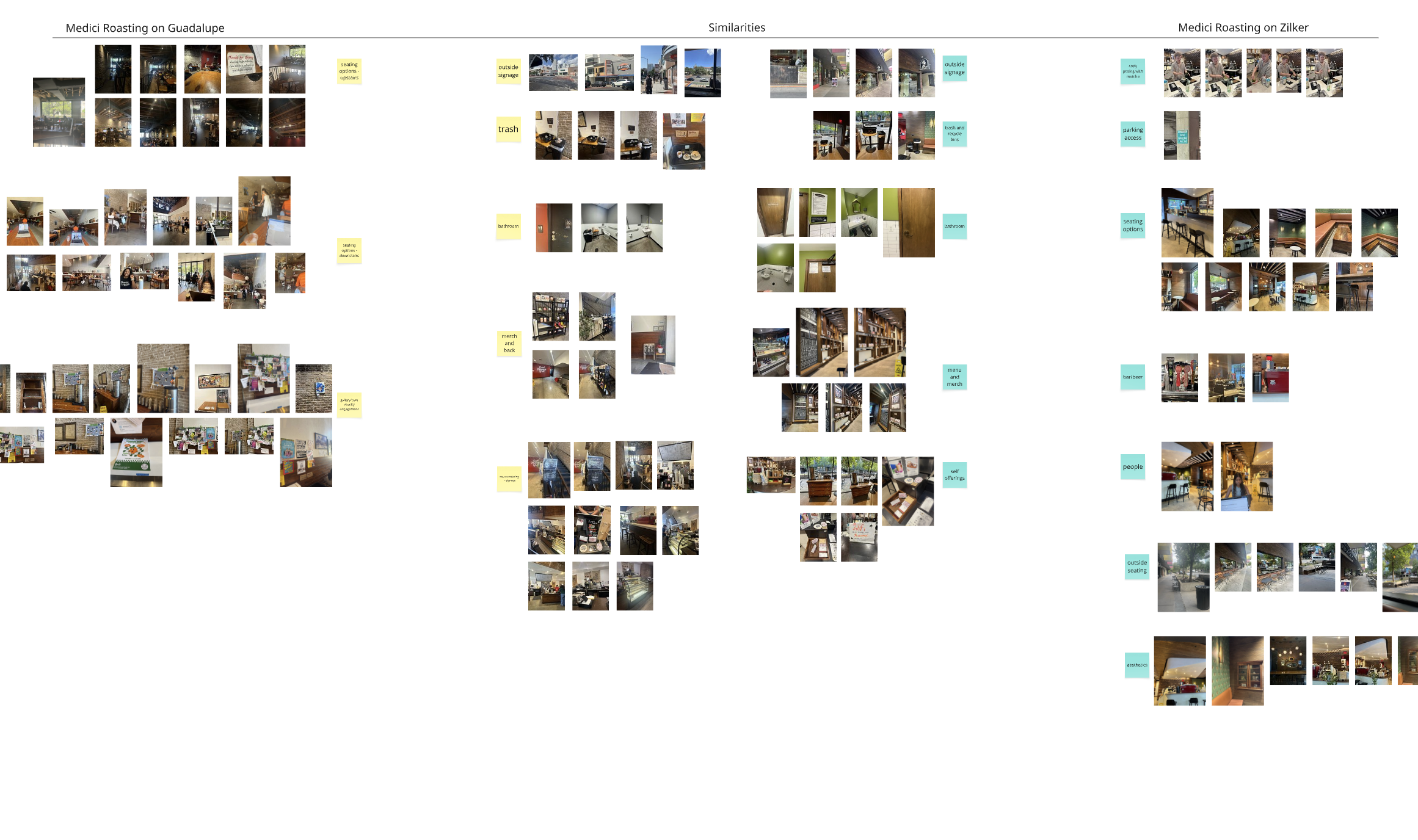
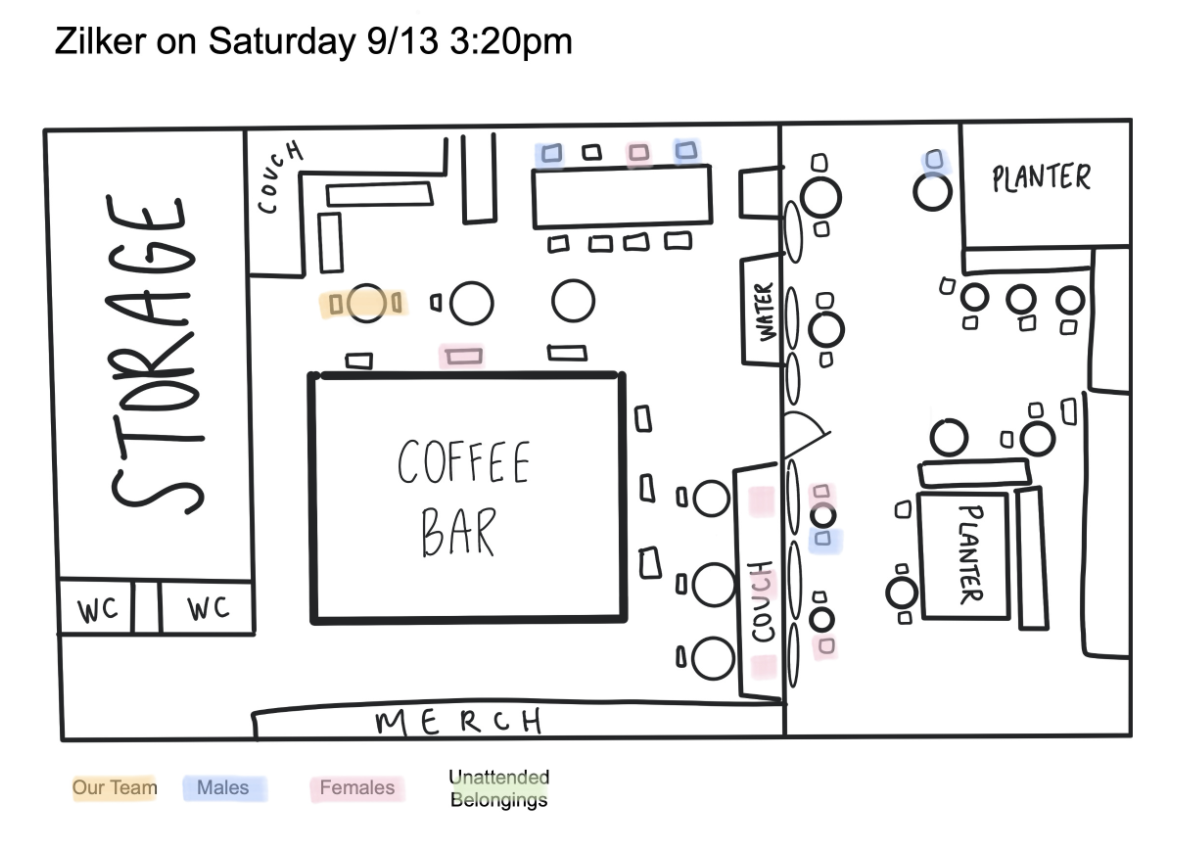
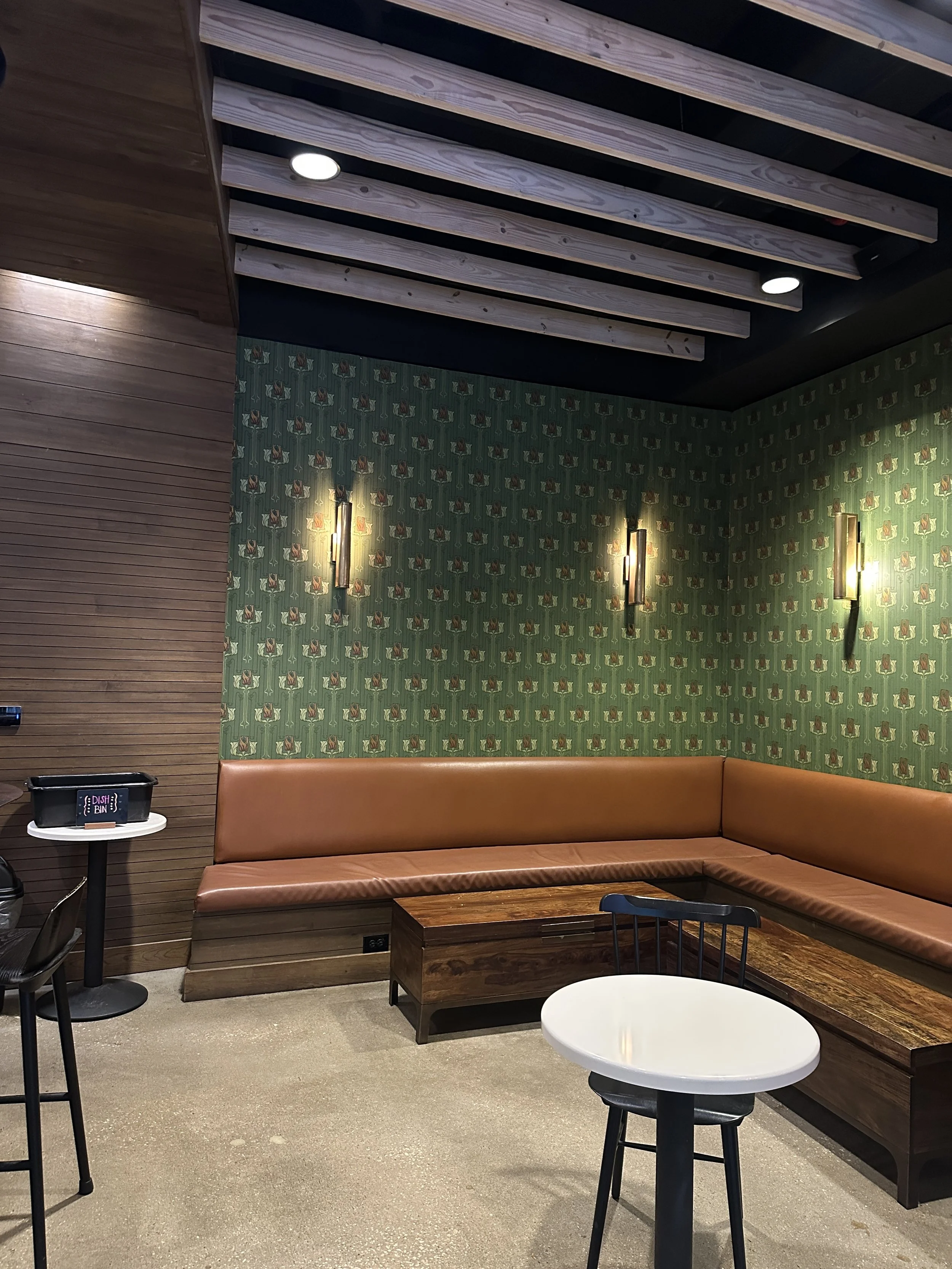
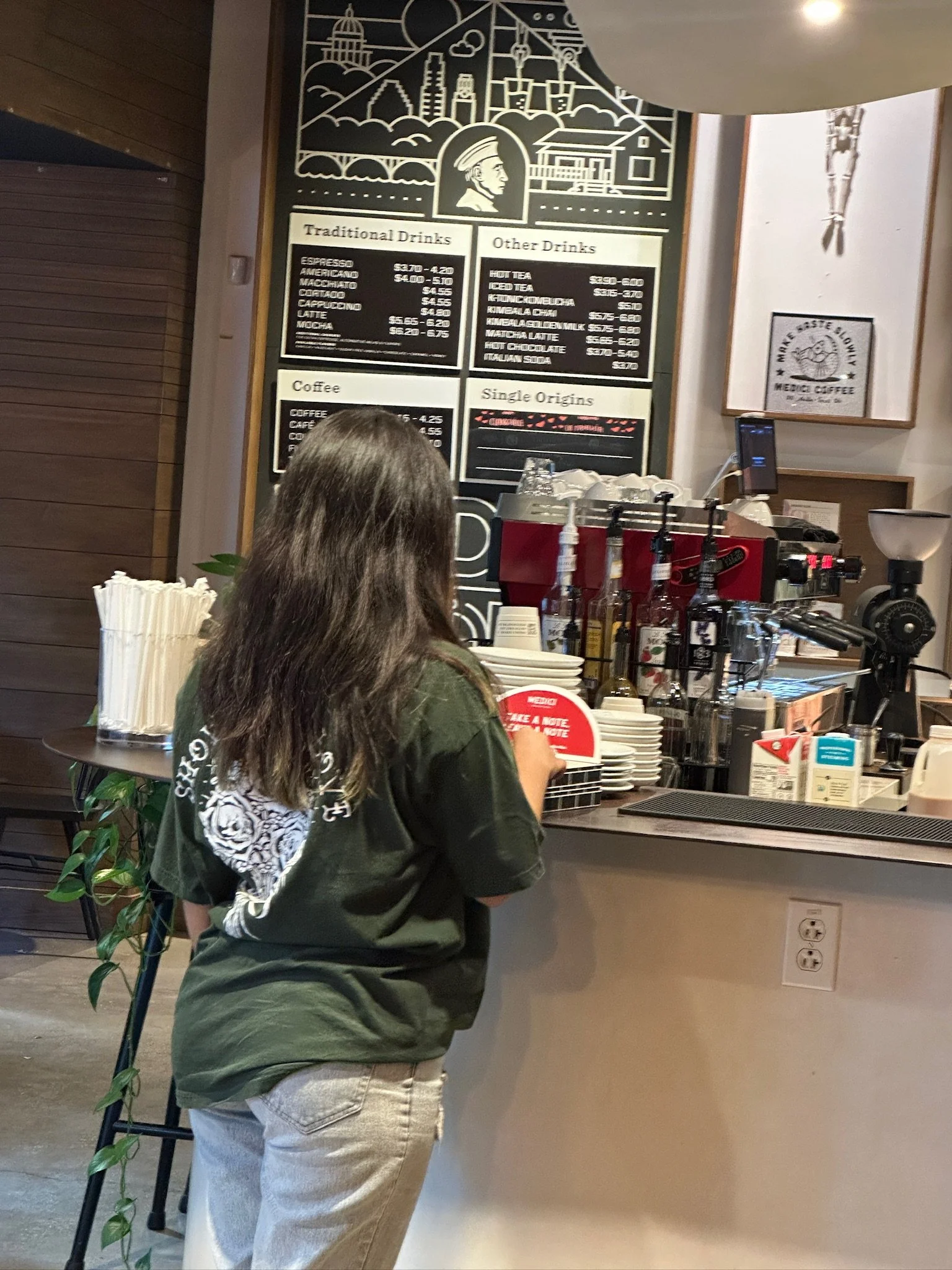
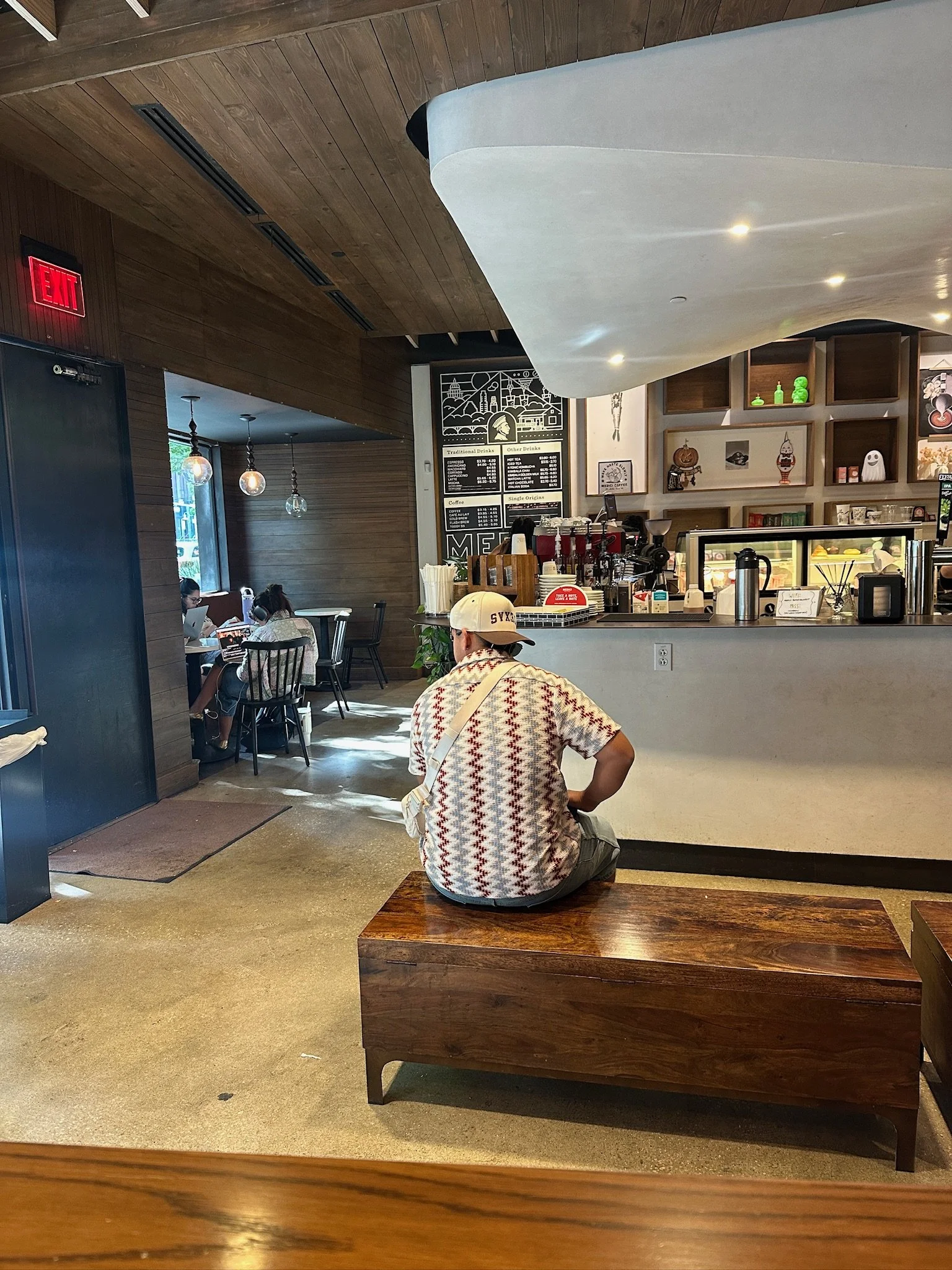
Our research unfolded across three phases at two locations of Medici Roasting, an Austin coffee chain. We began with open observation visits, then returned with a structured methodology, mapping where people sat every 30 minutes while tracking demographics and behavior. Comparing the two locations revealed that Zilker had the greatest need, less social interaction, an underutilized layout, and an atmosphere that felt more isolating than inviting. It also had Cody, a barista who knew his regulars and was open to collaboration. Meaningful change in a space requires the people who run it to be invested. That buy-in made Zilker the right place to intervene.
Insight Framework
1
2
3
Belonging is a behavioral signal, not a feeling. People who left their belongings unattended without a second thought were showing us trust before they could name it.
Layout creates invisible friction. Pairs of friends sat at separate tables not by choice, but because the tables were too small for two laptops side by side.
Community and quiet exist in tension. Zilker attracted solo workers seeking focus, which meant any intervention had to add warmth without disturbing the atmosphere people came there to find.
Ideation & Prototyping
With three clear insights and Cody's buy-in, we designed two low-fidelity interventions testable in a single afternoon.
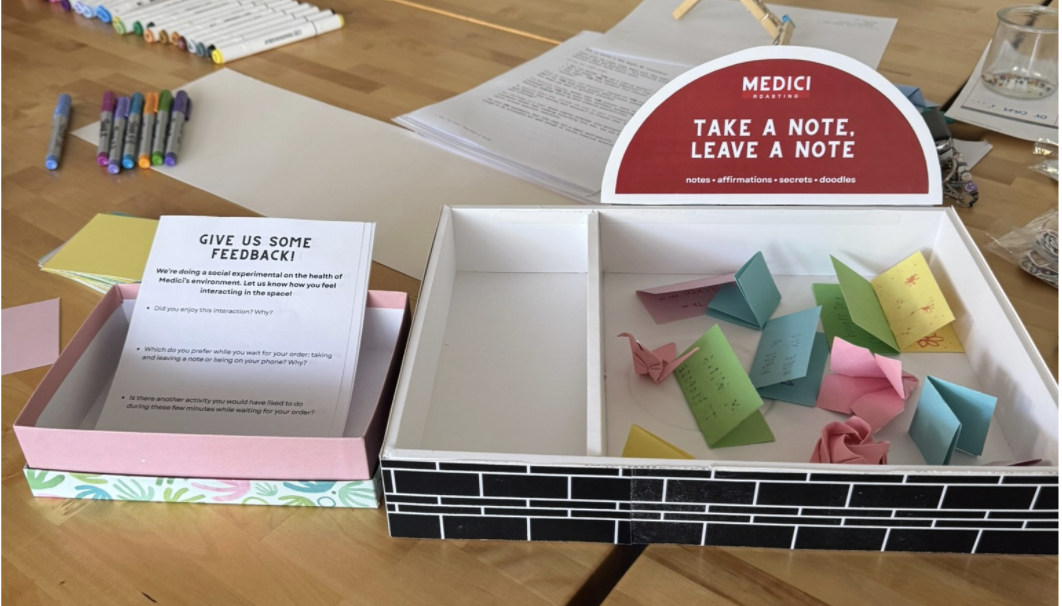
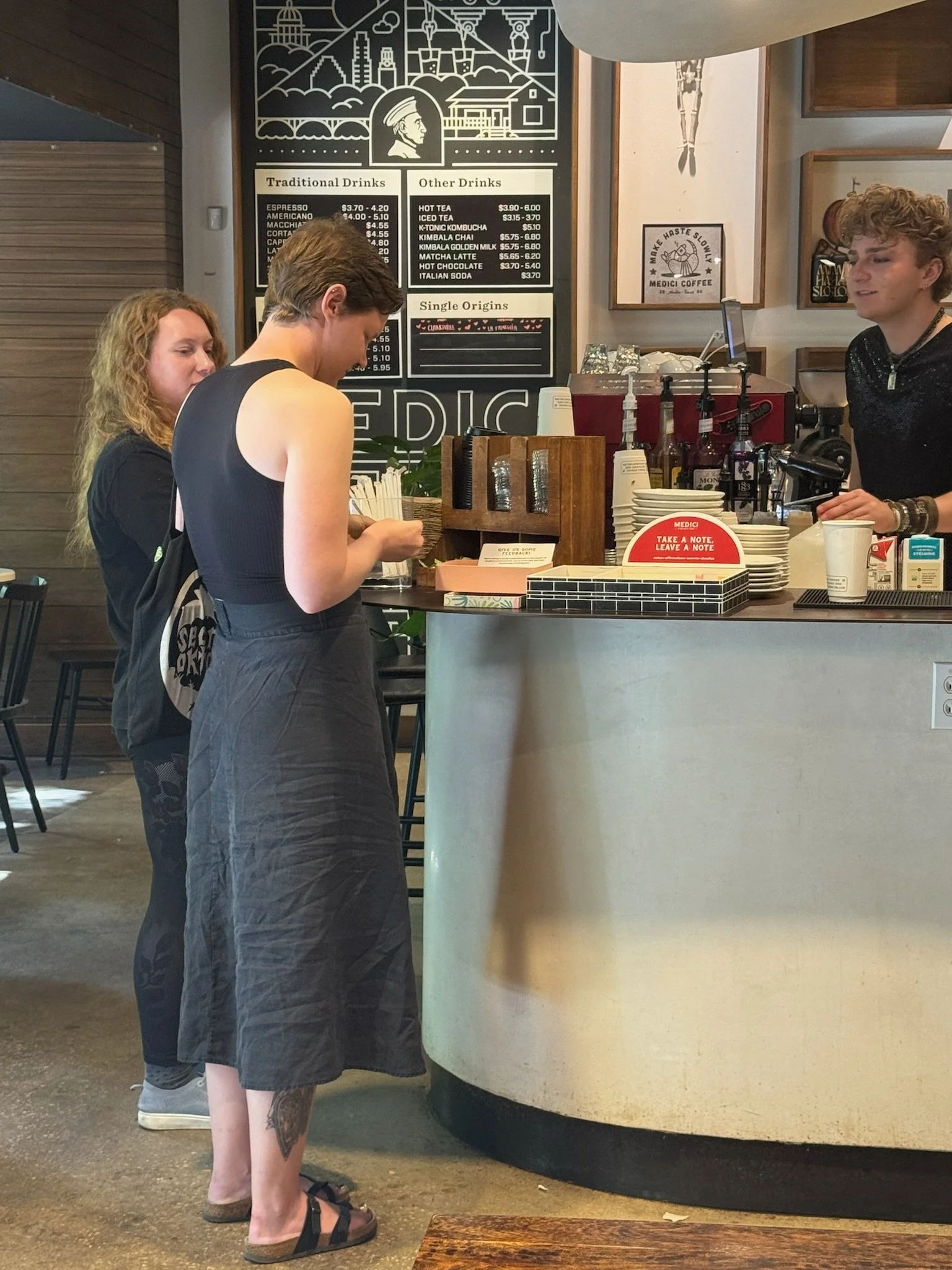
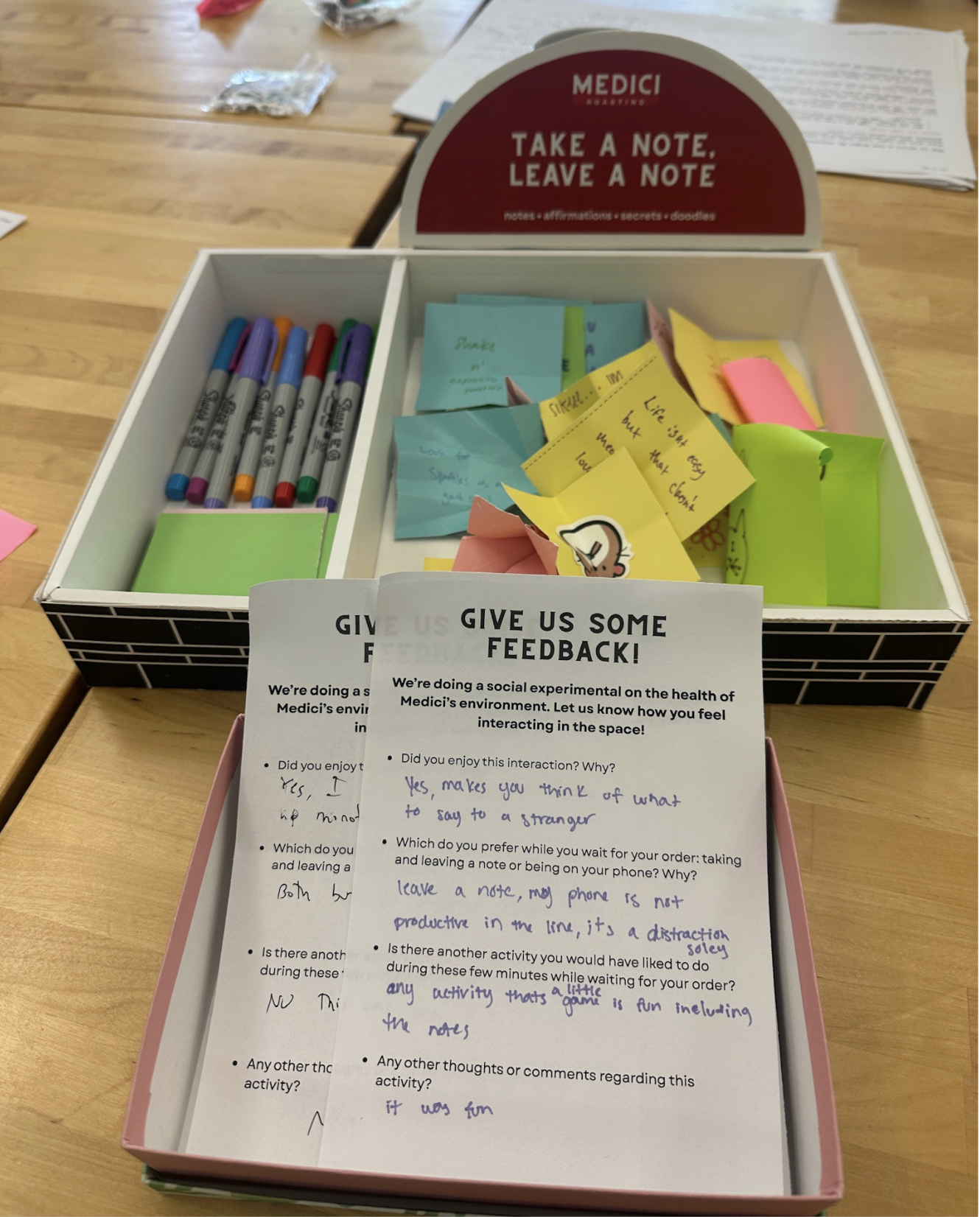
The Medici Exchange Notebox placed a Take a Note, Leave a Note box at the drink pickup counter — pastel notecards, sharpies, and prompts for messages, doodles, and affirmations. Whimsical enough to invite participation, quiet enough not to disturb the atmosphere.
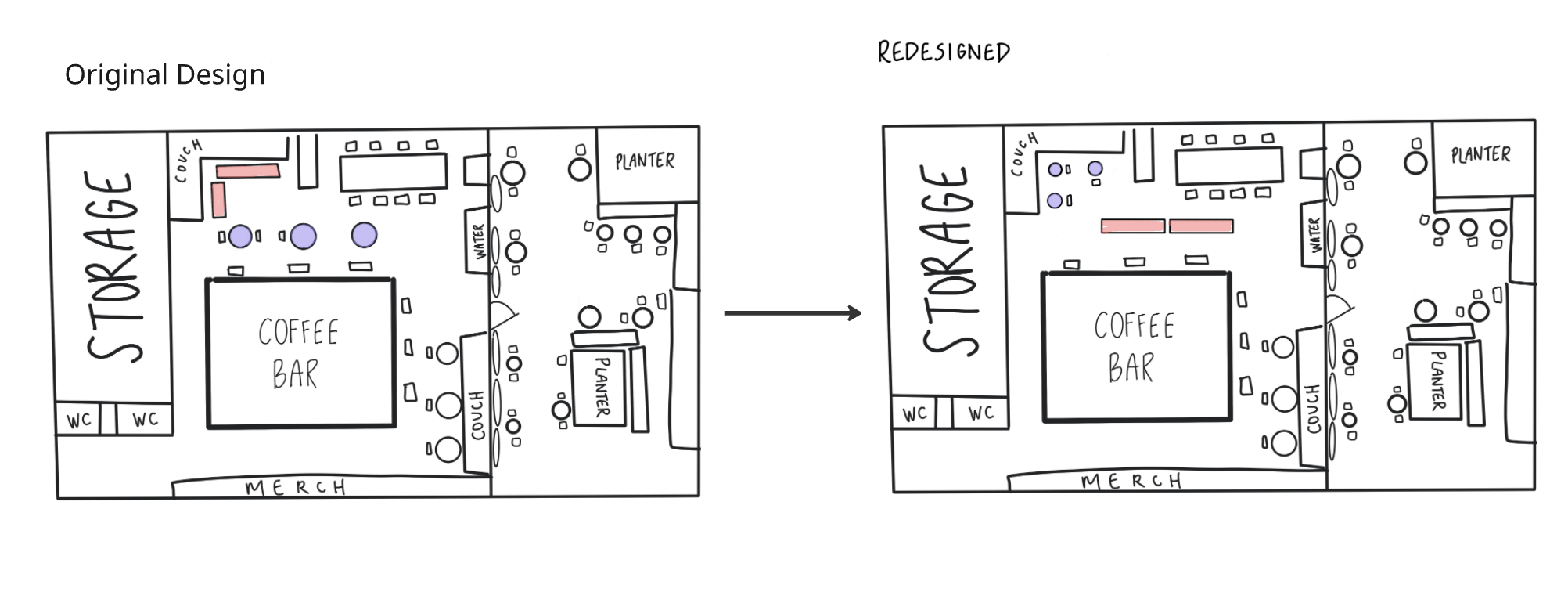
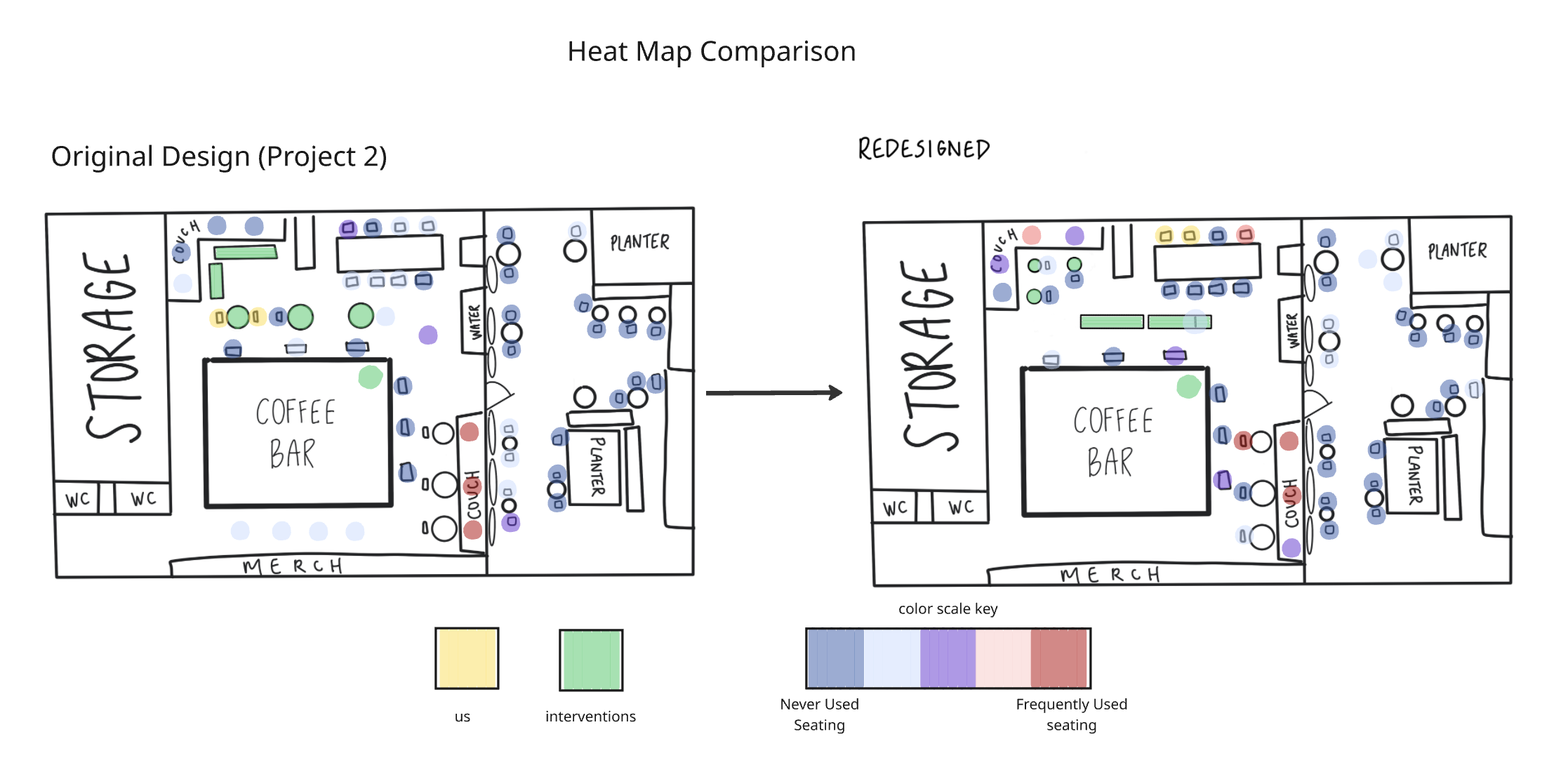
The layout intervention swapped the low coffee tables around the underutilized couch corner for taller individual tables from the aisle, testing whether the right surface would bring people into a space they were otherwise avoiding.
Intervention Outcome
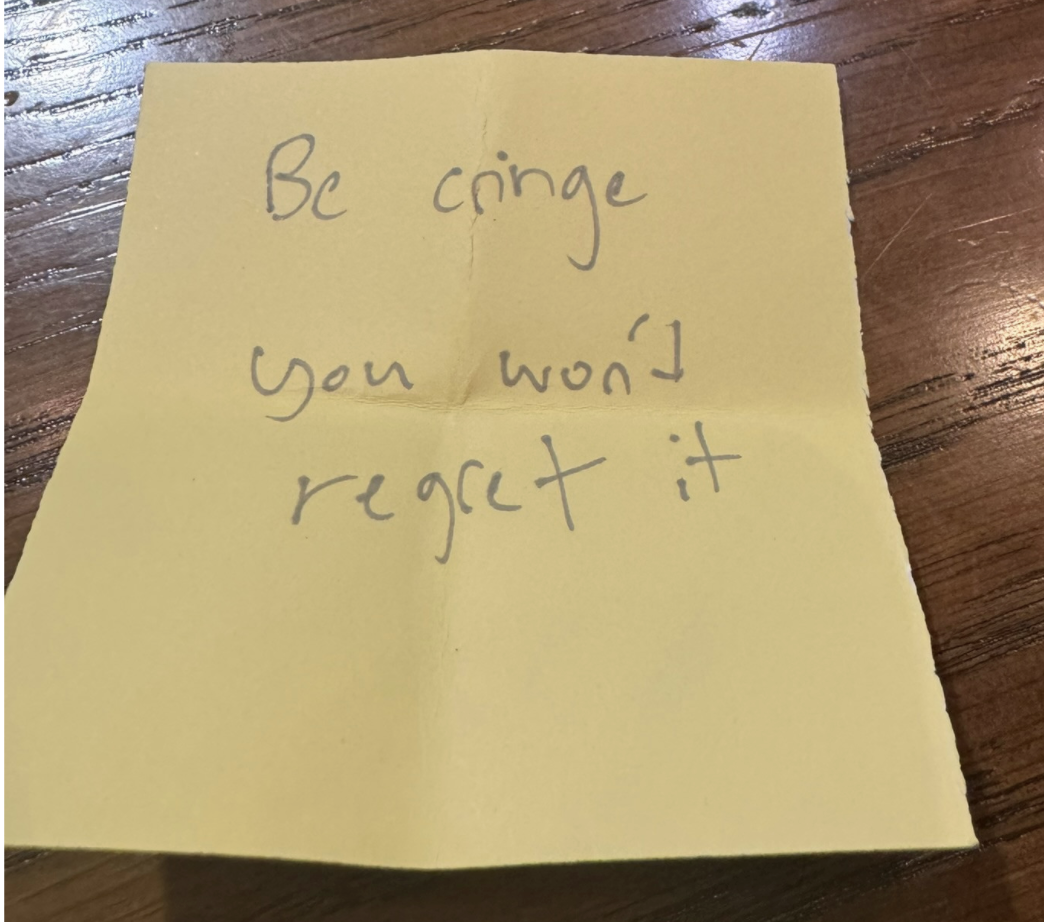
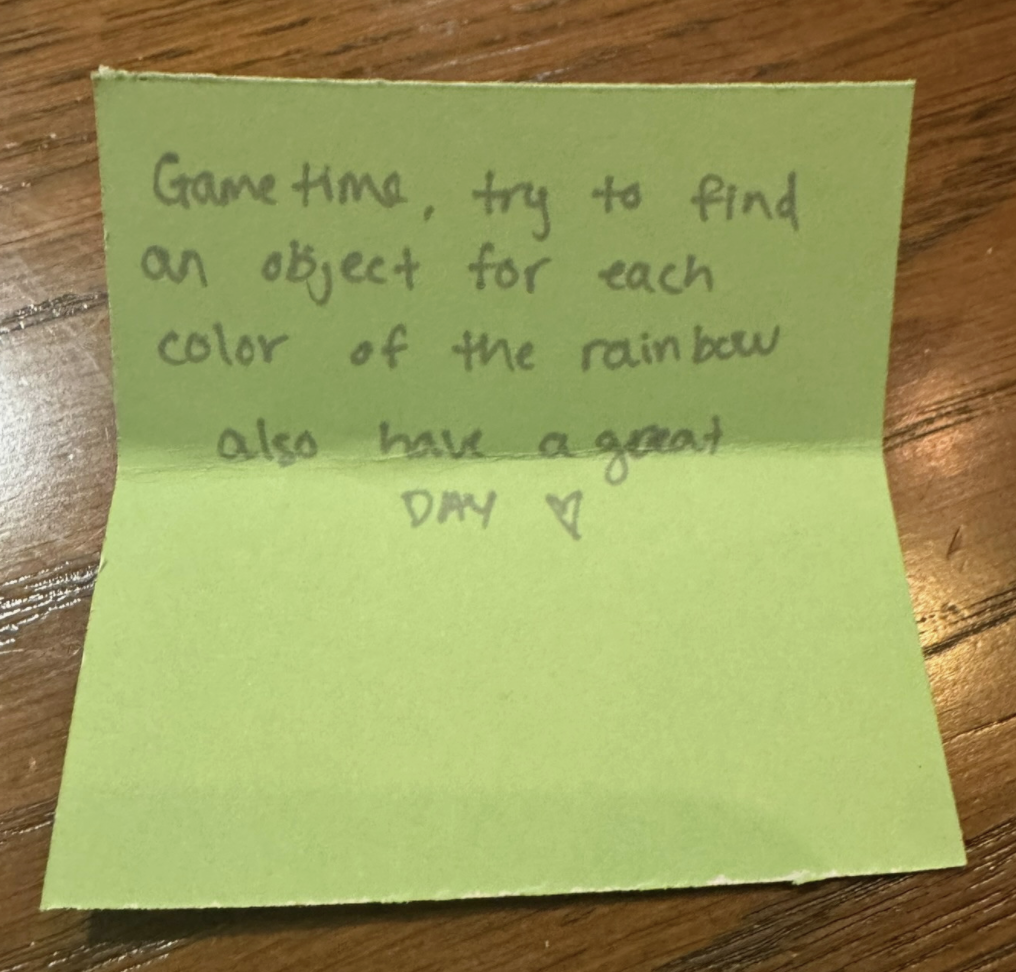
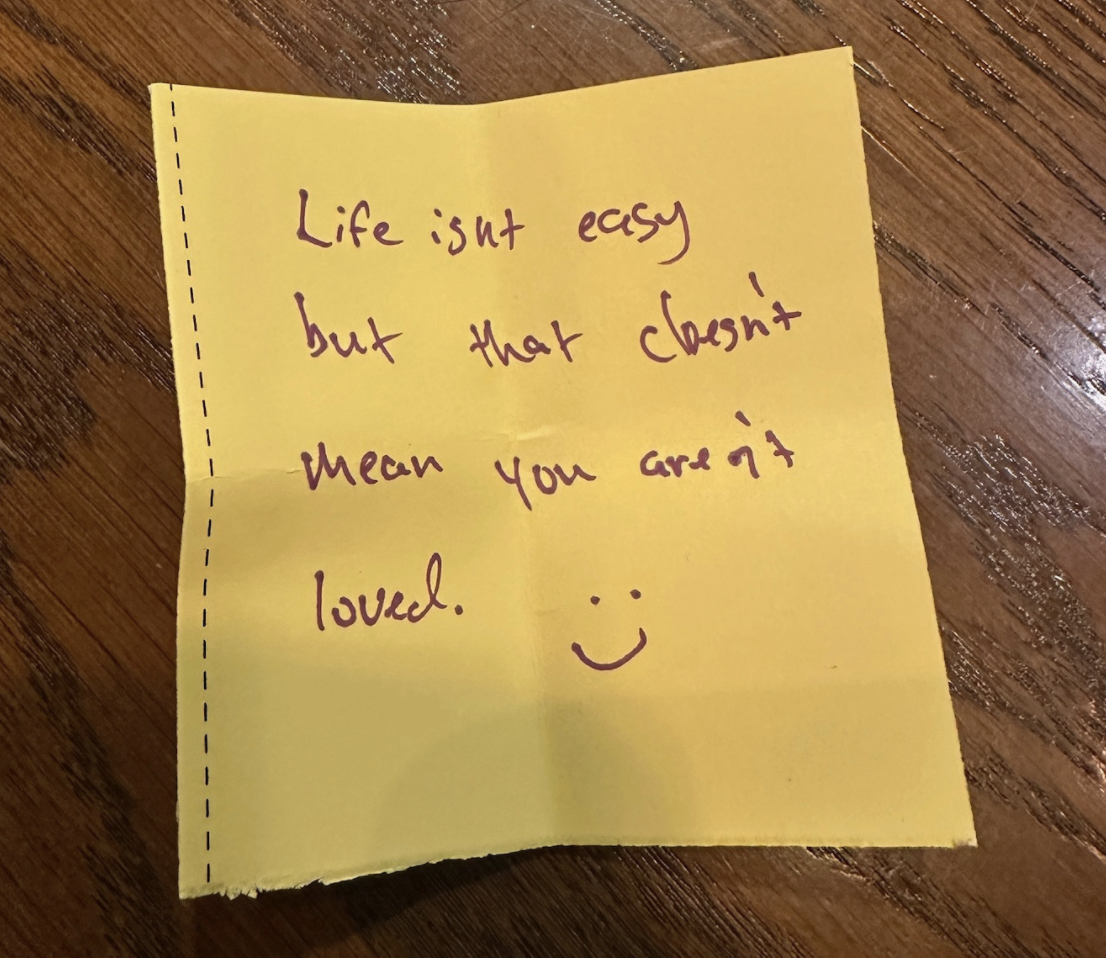
Both interventions produced results within a single afternoon. The heat map showed a clear increase in seating activity in the redesigned couch corner — the space wasn't avoided because people didn't want to be there, it was avoided because it wasn't set up for what they came to do. The notebox generated 10 to 15 interactions, with 7 new items added including messages, affirmations, and origami.
What the interventions validated together was the core insight: belonging and interaction in a space aren't accidental. They are the result of deliberate design decisions about layout, placement, and invitation. That finding became the foundation for the next phase of the project.
From Coffee Shop to Healthcare Framework
A framework built on a single coffee shop felt too narrow for where we wanted to take the work. We were both pursuing careers at the intersection of design and health, so we made a deliberate choice to extend what we learned into healthcare.
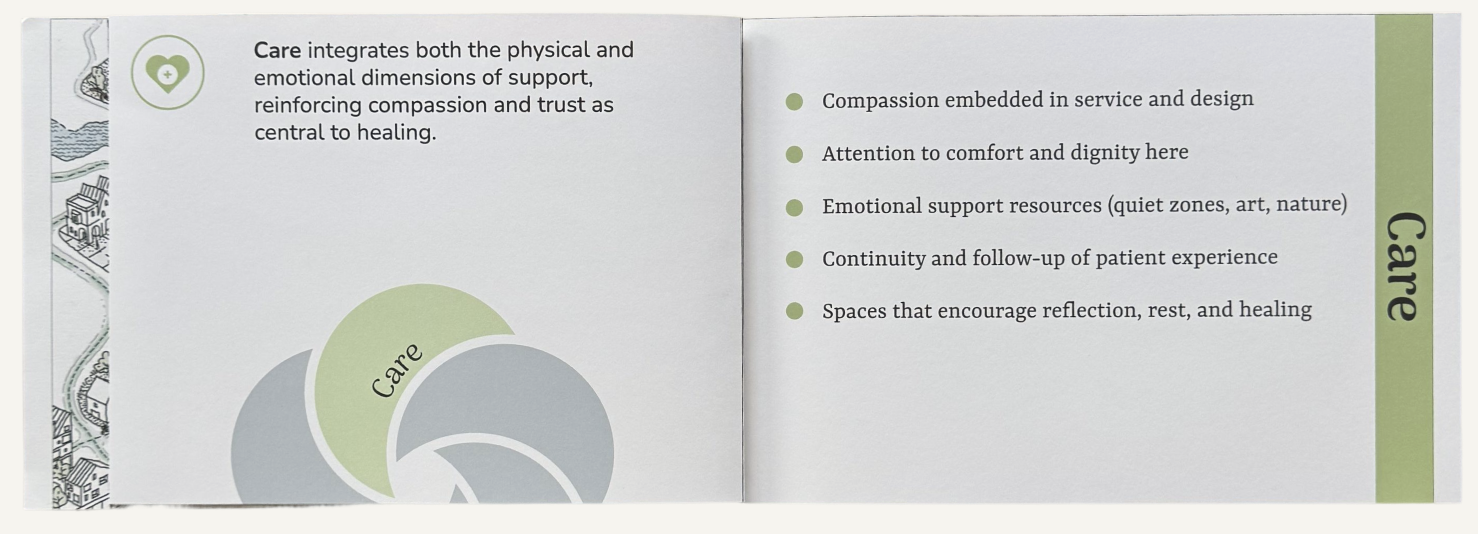
Drawing on my medical background and secondary research, we added a Care component addressing compassion embedded in service and design, attention to dignity and comfort, and spaces that actively support reflection and rest. What started as a behavioral observation study became a framework for designing healthier healthcare environments.
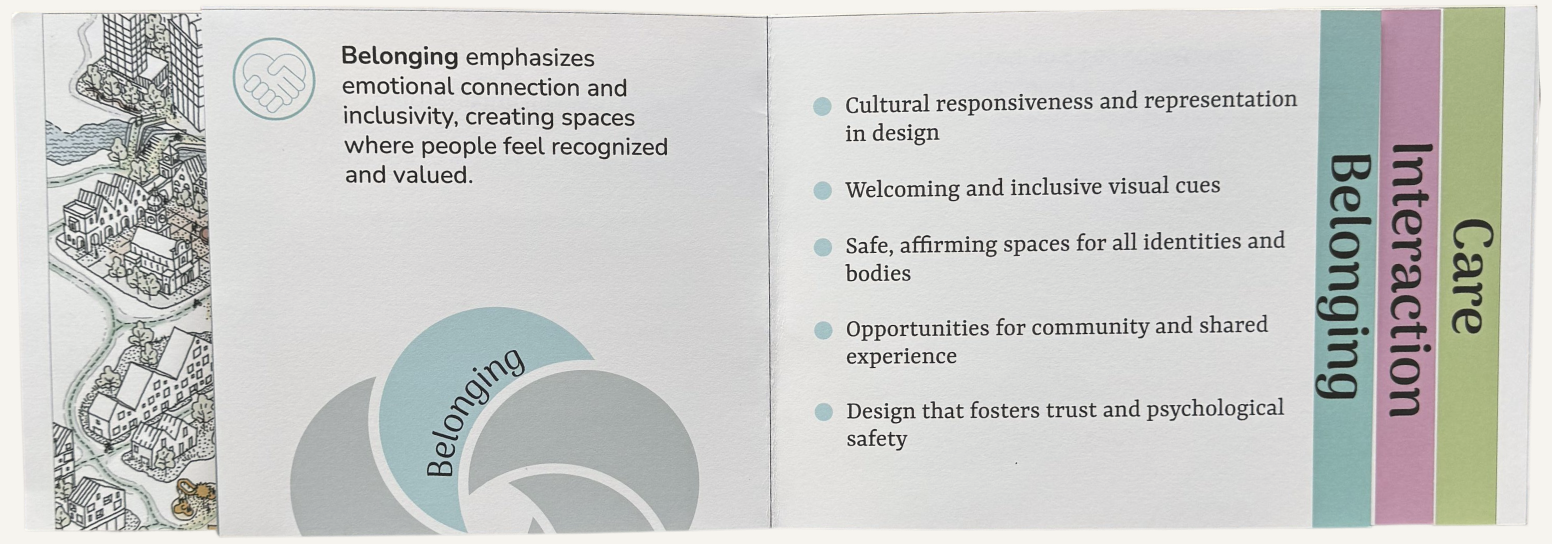
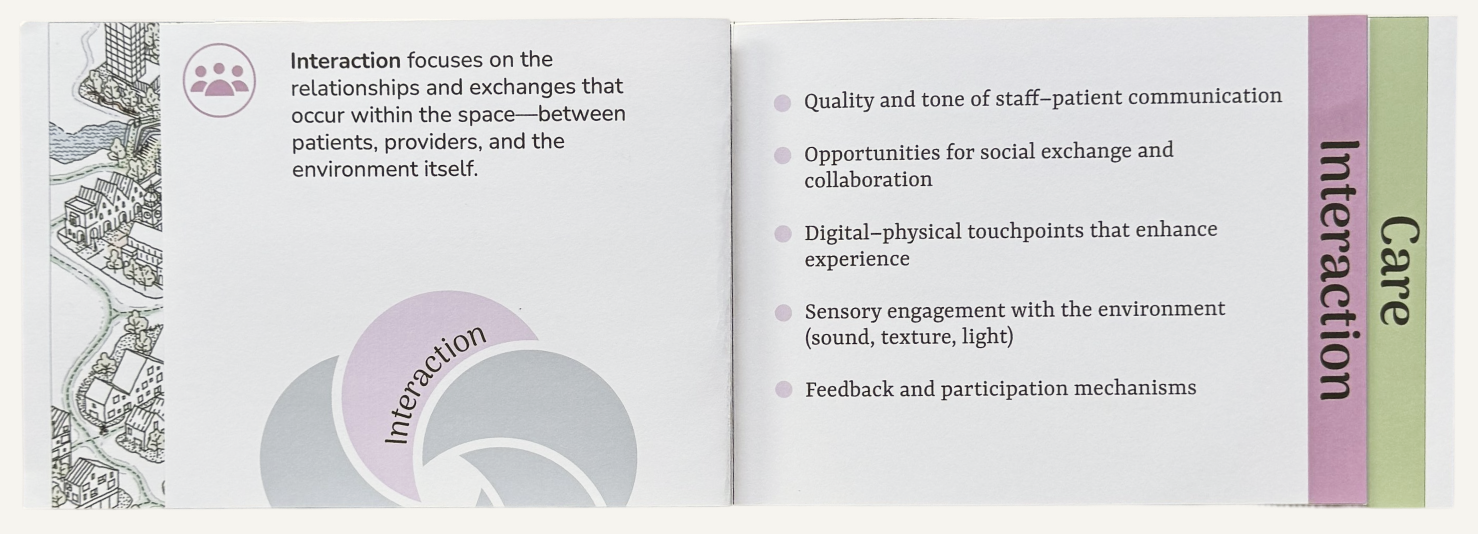
1. A Holistic Approach To Designing Healthcare Spaces Booklet
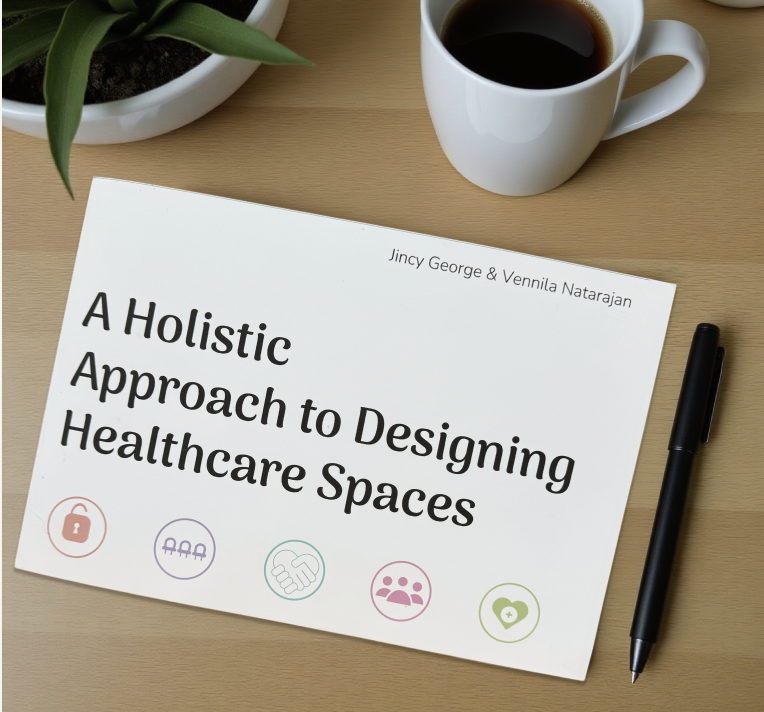
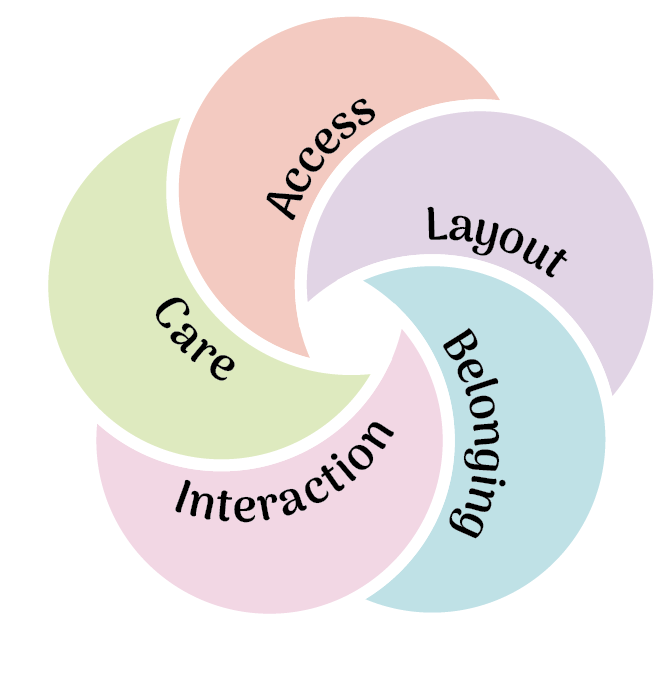
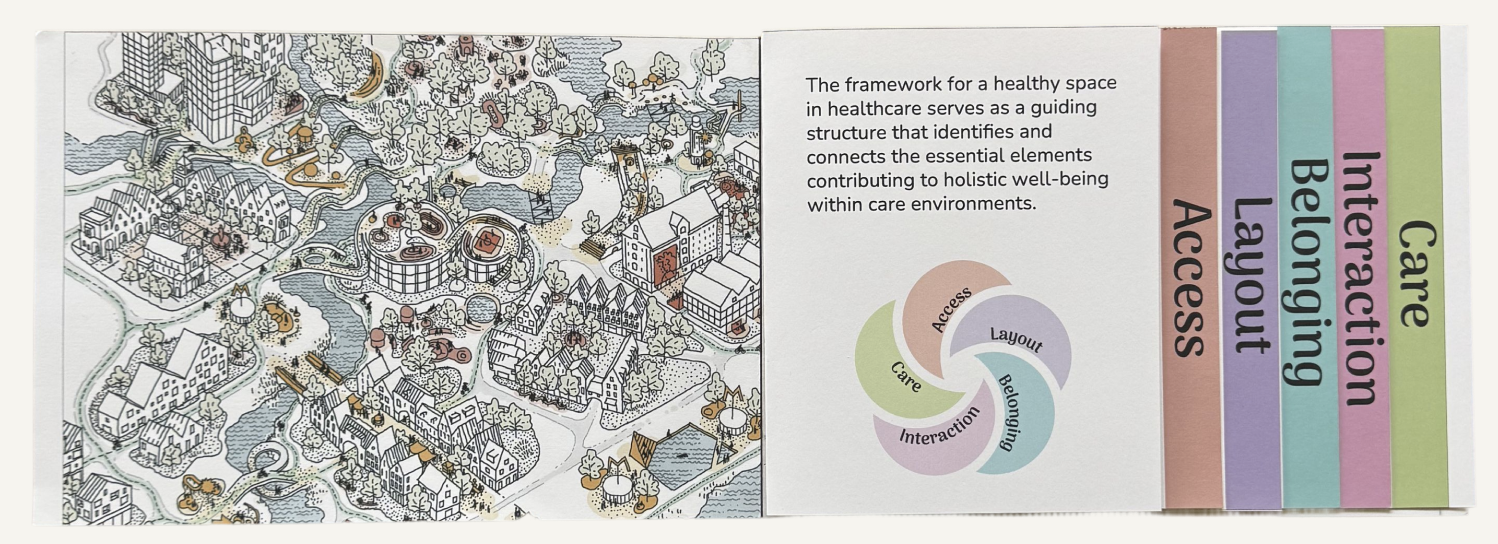
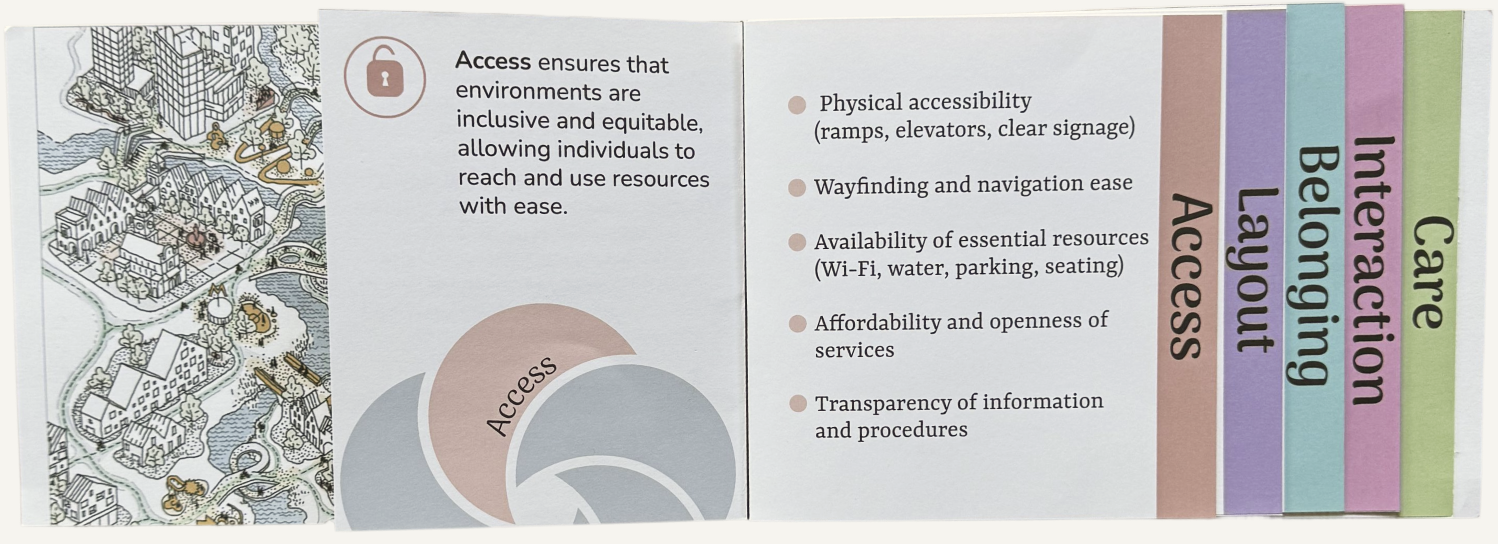
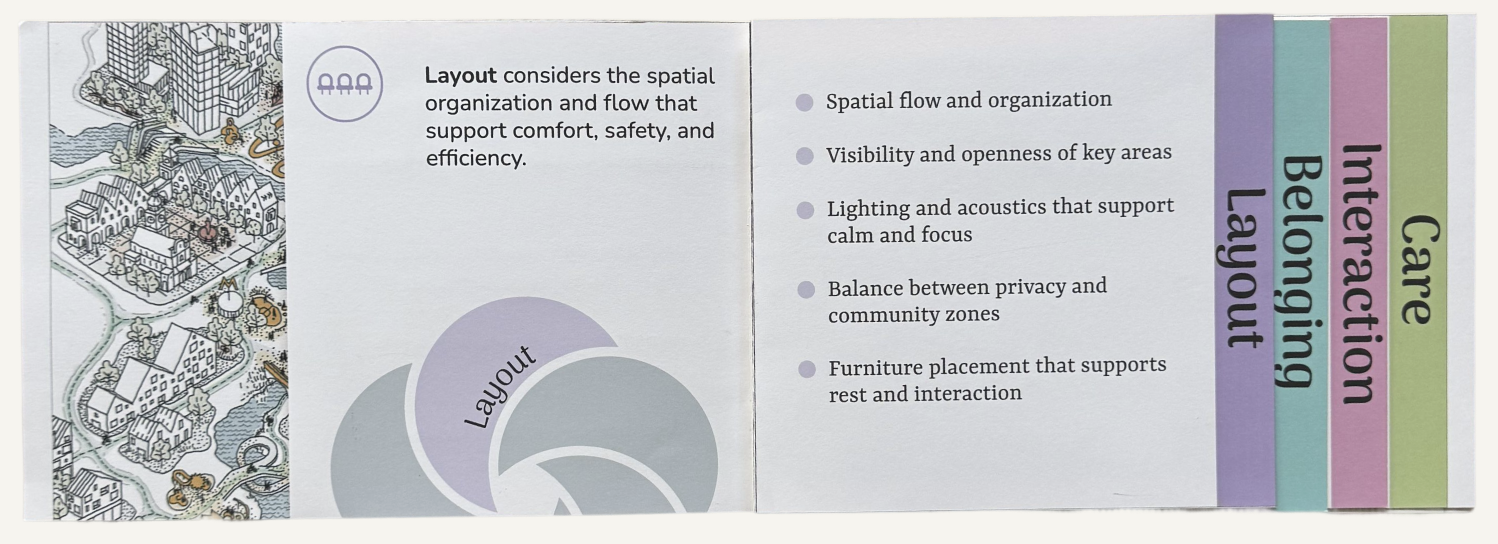
The first deliverable translated the framework into an instructional booklet for designers working in healthcare environments. Built as a presentation tool rather than a reference document, it gives designers something concrete to bring into a room with stakeholders or other designers to establish a shared language before any decisions get made. Each of the five pillars gets its own tabbed section for easy navigation mid-conversation. The tabs signal what it is: a working tool, not a report.
Whether evaluating an existing space or planning a new one, the booklet gives both designers and non-designers a concrete framework to ask better questions and make more informed decisions about the environments they are shaping.
2. Build-A-Place: A Designing Healthy Spaces Card Game
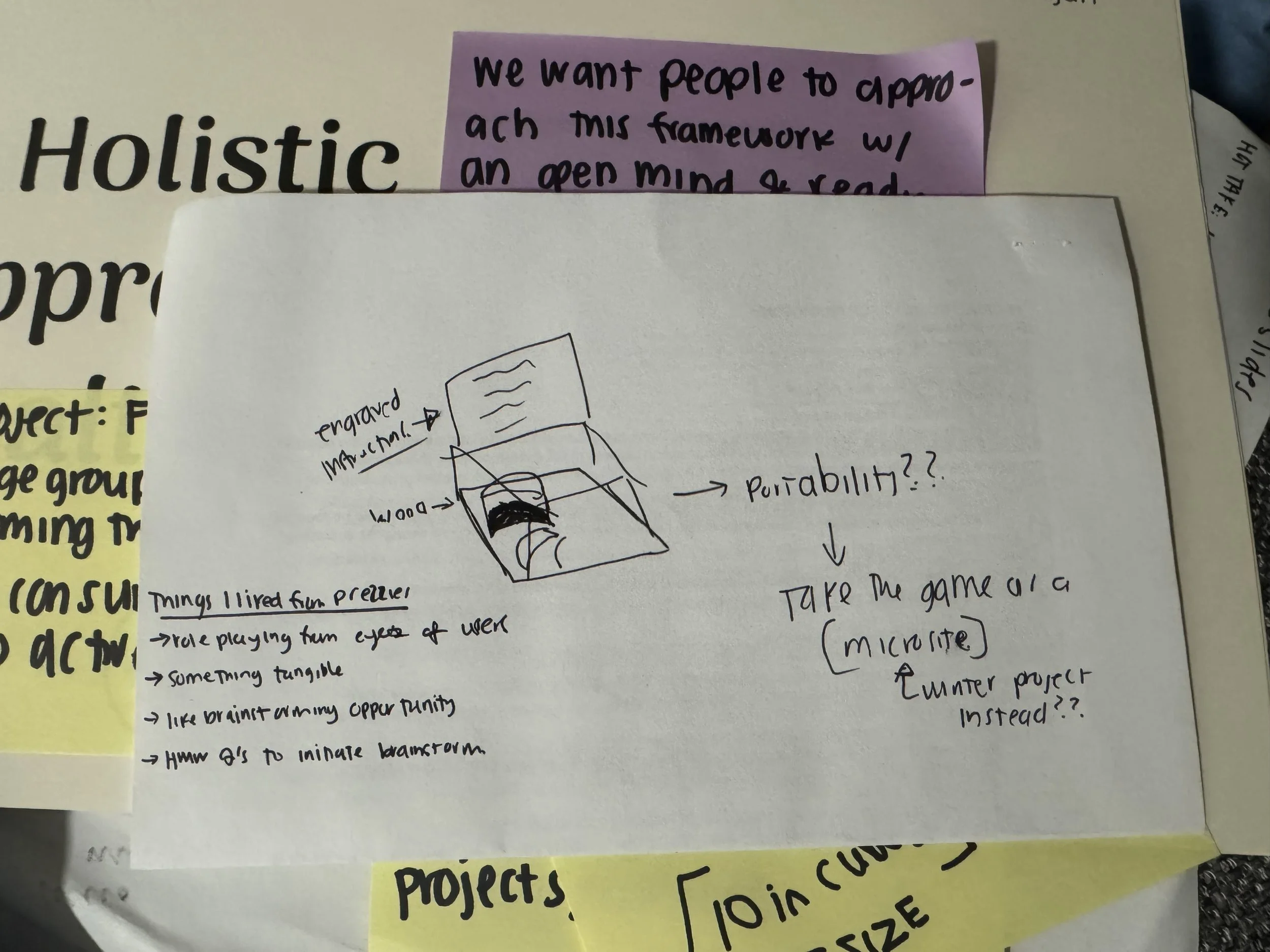
The second deliverable asked a different question: what if instead of reading about healthy space considerations, you played with them?
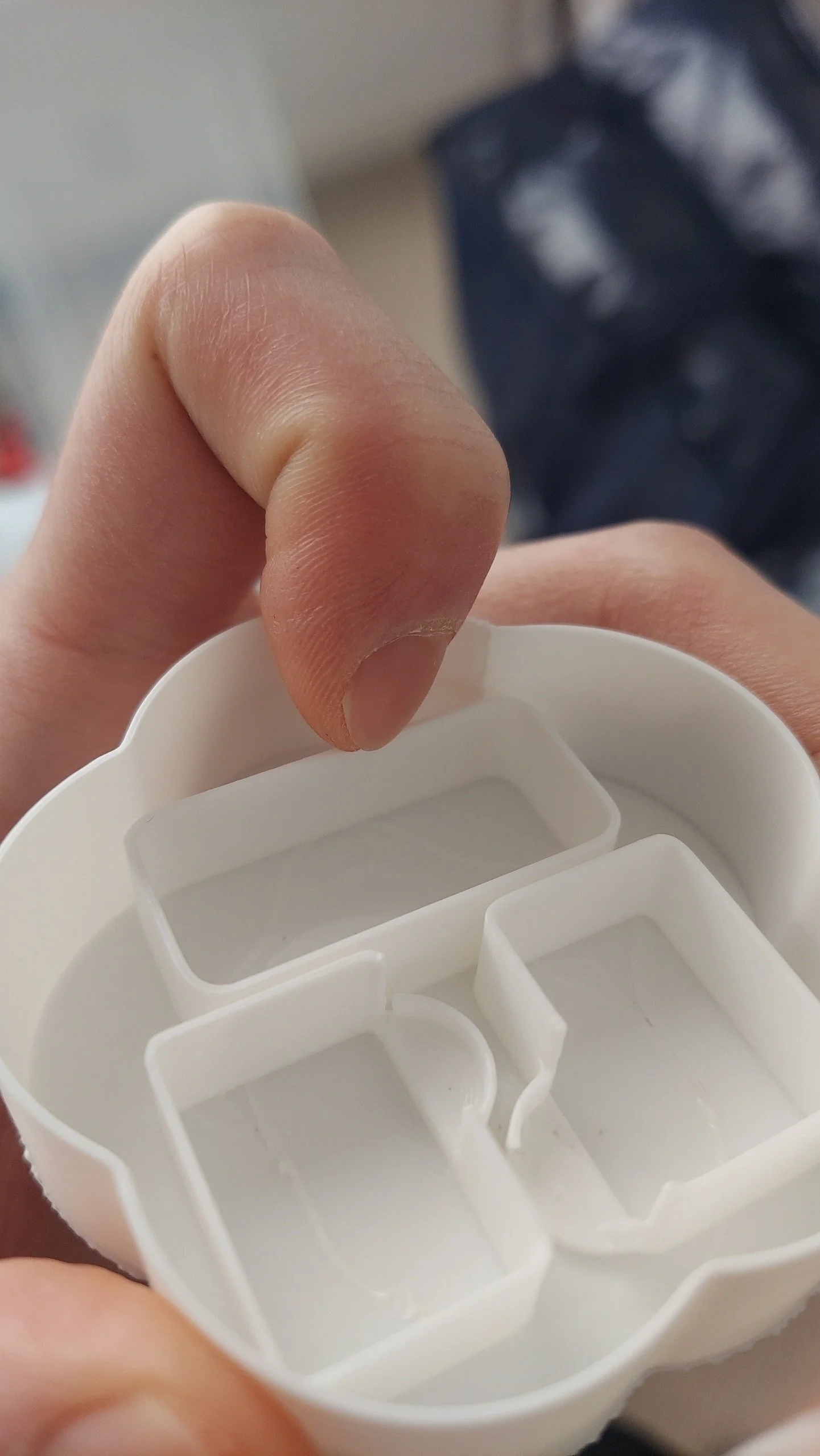
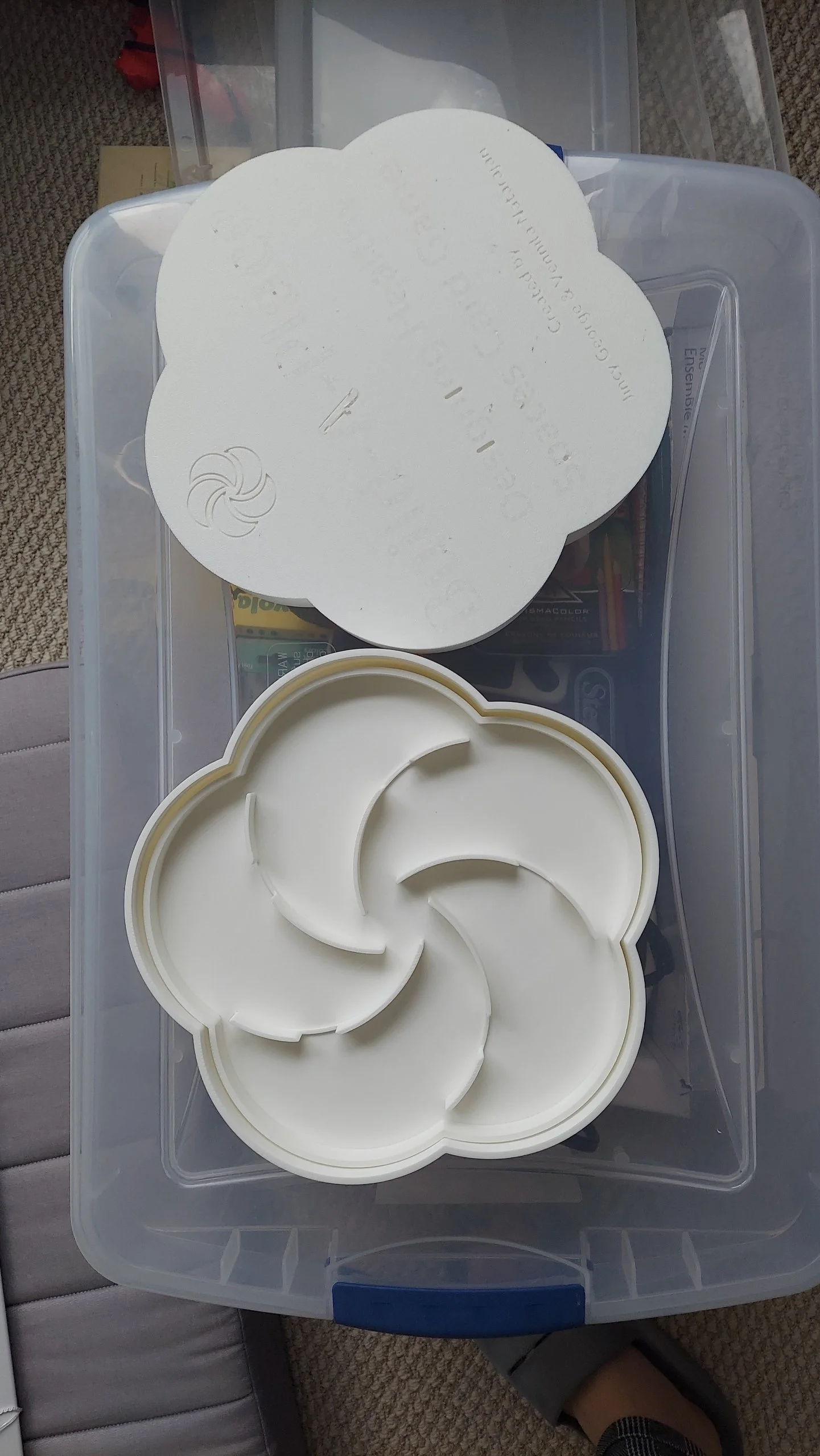
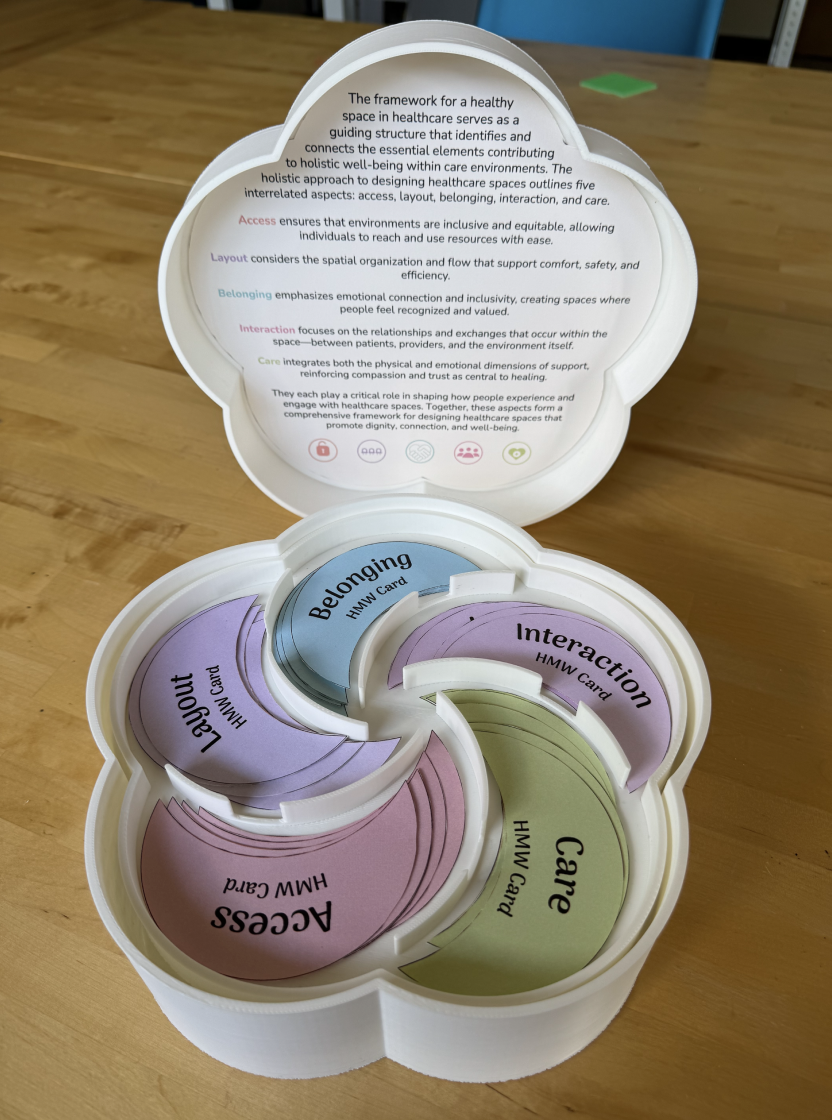
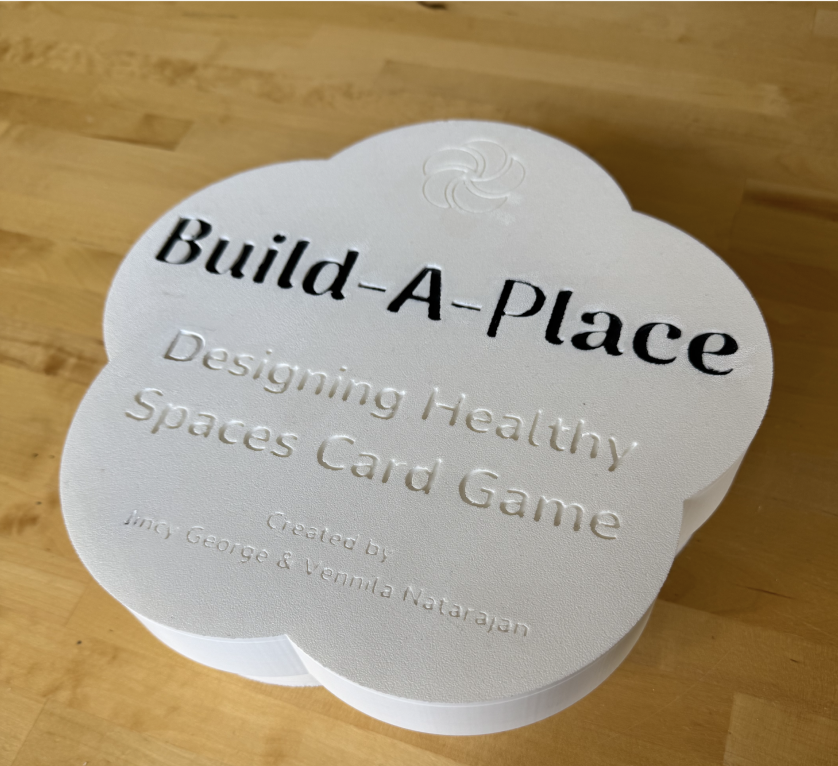
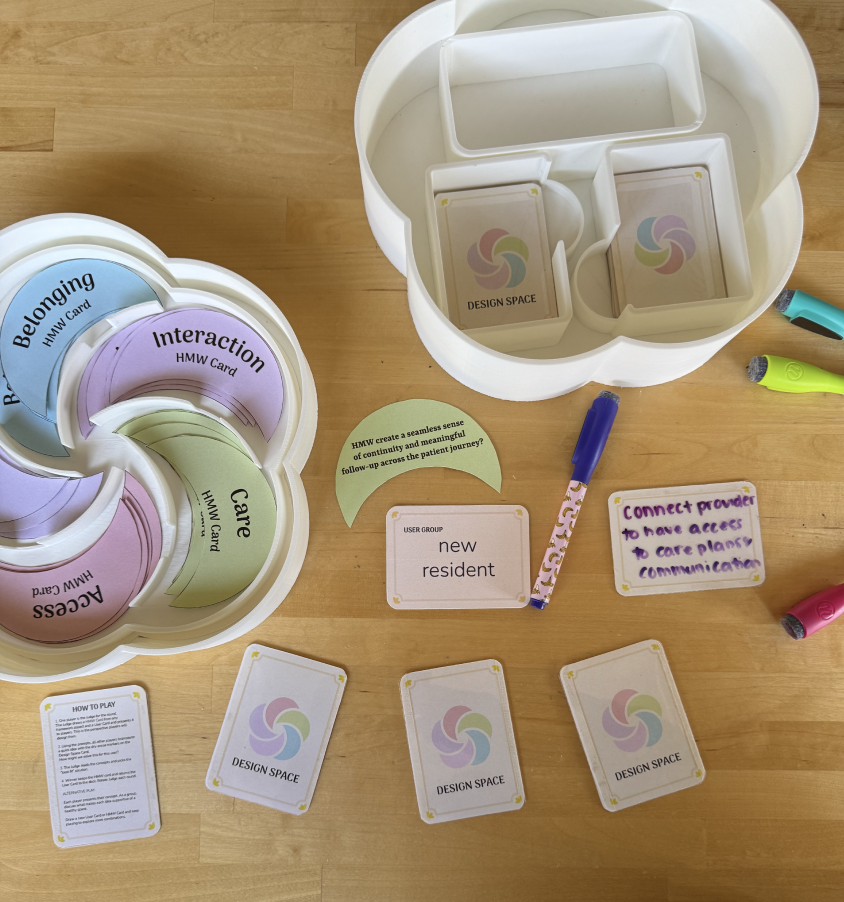
Build-A-Place is a card game for designers to bring into brainstorming sessions and workshops. Players draw a framework card framed as a How Might We question and a user card introducing a specific persona, sketch a quick idea on a dry erase response card, and present to the group. The constraints are tight by design, time pressure and randomness push people past overthinking and into generating ideas quickly. The game box was 3D printed and shaped after the framework's pinwheel logo, with a debossed lid and compartments for each card type. It was my first time using Fusion 360 and I taught myself the software to make it happen.
Retrospective
The real skill was translation The most meaningful thing this project taught me was how insights gathered in a public space could be thoughtfully adapted into a framework for healthcare environments. That leap required research, humility, and a willingness to question whether what we observed in a coffee shop actually held up in a clinical context.
Curiosity over confidence When I didn't know something I reached out to people, to research, and got feedback at every stage because making something useable mattered more than appearing confident. That instinct to learn first and build second has stayed with me.
Next time, go to the source If I were to do it again, I would have interviewed healthcare providers directly to stress-test the Care component. Secondary research got us far, but primary voices from nurses, physicians, and administrators would have made that pillar more grounded and specific.